
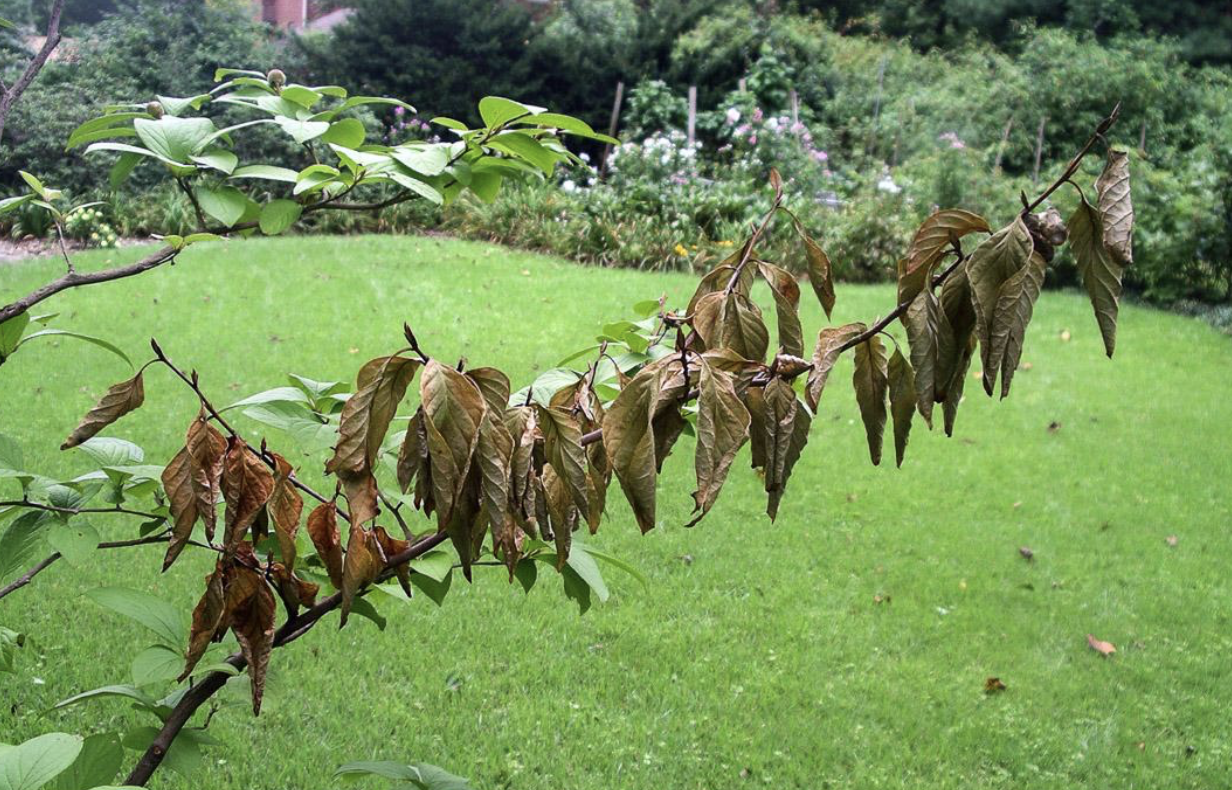

Why Are My Plants Dying?
The #1 Mistake We See in Georgia Landscapes
If you've ever asked yourself, "Why are my plants dying?" you're not alone. At Green South, this is one of the most common questions we hear from homeowners throughout Northwest Georgia.
After years of landscaping in Rome, GA and the surrounding areas, we've found that the number one cause of unhealthy plants isn't insects or disease—it's improper planting and overwatering.
Many plants are doomed from the day they're installed simply because they're planted too deep, in the wrong soil, and then watered far too often.
Understanding the signs of a healthy plant—and knowing the difference between disease, overwatering, and drought stress—can save your landscape and your investment.
Three Signs of a Healthy Plant
A healthy plant doesn't happen by accident. It starts with proper planting and good watering habits.
A healthy plant will typically have:
- Bright, vibrant foliage with good color.
- New growth during the growing season.
- Firm stems and leaves without excessive drooping or yellowing.
Healthy roots also need oxygen. Water is important, but roots that stay constantly wet cannot breathe, which eventually leads to root rot.
Plant Disease
Plant diseases can look alarming, but they aren't always the primary problem.
Common symptoms include:
- Black or brown leaf spots
- Powdery mildew
- Mold or fungus
- Branch dieback
- Wilting even when the soil is wet
Here's something many homeowners don't realize:
Many diseases are actually caused by poor watering practices. Constantly wet soil creates the perfect environment for fungal diseases and root rot to develop.
Before reaching for chemicals, it's important to determine whether watering is the real issue.
Overwatering: The Biggest Problem We See
If there's one mistake we see more than anything else in Georgia landscapes, it's overwatering.
People often assume that if a plant doesn't look healthy, it needs more water.
In reality, they're usually making the problem worse.
One of the most common scenarios looks like this:
A homeowner digs a hole nearly twice the width and depth of the container, fills it with rich compost or bagged soil, plants the shrub, and waters it every day.
It seems like the right thing to do—but in Georgia soils, especially around Rome, it's often the worst thing you can do.
Our native soils are primarily heavy clay and areas of shell rock. These soils drain much slower than loose garden soil.
When you dig an oversized hole and replace all of the native soil with compost, you've essentially created a bowl.
Water collects inside that bowl because the surrounding clay cannot absorb it fast enough.
The roots remain saturated, oxygen disappears, and eventually the plant develops root rot.
Unfortunately, once root rot becomes severe, many plants never recover.
Under watering & Drought Damage
While overwatering is our biggest concern, underwatering can also damage plants.
Signs of drought stress include:
- Dry, crispy leaves
- Brown leaf edges
- Wilting during hot afternoons
- Slow or no new growth
- Dry soil several inches below the surface
Unlike overwatered plants, drought-stressed plants usually recover quickly once watered correctly.
The key is watering deeply when the plant actually needs it—not watering on a daily schedule.
The Right Way to Plant in Georgia Soil
Proper planting is the foundation of a healthy landscape.
Instead of digging an oversized hole, we recommend this method:
- Set the nursery pot on the ground where you want the plant.
- Trace the outline of the pot using your shovel or marking paint.
- Dig only as deep as the root ball.
- Plant the root ball 2–3 inches above the existing ground level.
- Mix approximately 15% compost or well-aged manure with 85% native soil when backfilling.
- Lightly mulch around the plant, keeping mulch away from the trunk or stems.
- Water thoroughly after planting.
This allows roots to establish naturally into the surrounding native soil while improving drainage instead of trapping water.
How to Know When It's Time to Water
Forget watering on a schedule.
Instead, check the soil.
Stick your finger down beside the root ball.
- If your finger comes out with wet mud on it, don't water.
- If you can't easily get your finger into the soil because it's dry, it's time to water.
- A perfectly watered plant will feel slightly moist, with little or no dirt sticking to your finger.
This simple test is one of the easiest ways to prevent root rot while encouraging healthy root growth.
Final Thoughts
Healthy landscapes begin below the surface.
Proper planting depth, good drainage, and watering only when necessary will prevent the majority of plant problems we see every year.
At Green South, we believe that many struggling landscapes don't need more fertilizer or more water—they simply need better planting practices and smarter irrigation.
If your shrubs, trees, or landscape plants are struggling, the first question to ask isn't "What disease does my plant have?"
It's "Am I watering it correctly?"
More often than not, that's where the solution begins.


